A Seasonal Guide to Holistic Wellness in the UK: Spring, Summer, Autumn, Winter
British seasons rarely arrive on cue. You can eat lunch outside in March and need a coat in July. That unpredictability is worth working with rather than fighting. Instead of a rigid wellness plan, try adjusting a few everyday habits as the light and weather change: what you cook, how you move, how you rest, and how you look after your mind.
A seasonal approach does not need to be complicated. Four or five small shifts, repeated for a few weeks, tend to do more than one ambitious overhaul in January. The aim is to stay in step with what the year is actually doing, not with what the calendar claims.
Spring: start again, gently
Spring is the season most people want to rush. After months of low light and cold, energy tends to return gradually, and pushing too hard too soon is a common way to end up tired by May.
Food. Look for what is genuinely in season and let that do the work: purple sprouting broccoli, spinach, watercress, wild garlic, radishes, rhubarb, the first new potatoes. You do not need a new diet. Swap one heavy meal a week for something lighter — a bowl of greens with beans and lemon, or an omelette with herbs — and see how you feel.
Movement. Lengthen your walks naturally rather than setting a target. Getting outside before noon is worth more than a late-evening session, because morning light helps to steady your sleep and wake pattern. Add five minutes of stretching after you get up, or a short yoga routine you actually enjoy. Do not go from nothing to a five-day gym plan.
Meditation. Keep it short and outward-facing. Three minutes listening to birds, rain or traffic is a legitimate practice. A walking meditation suits the season better than sitting still indoors.
Self-care. Open windows, air bedding, clear one small corner rather than the whole house. Ease your feet into lighter shoes gradually. If hay fever makes spring miserable, a pharmacist can suggest options; speak to your GP if symptoms are severe or you are pregnant.
Summer: work with the light
Long days invite more of everything: more movement, more socialising, later nights. Enjoy it, but keep one or two anchors so September does not arrive with a thud.
Food. Cook less and assemble more. Salads, grilled vegetables, beans, fish, flatbreads, herbs, and British berries while they last. Drink water through the day rather than waiting until you are thirsty, and be honest about alcohol, which does you few favours in the heat.
Movement. Shift your activity to the cooler ends of the day. Early walks, evening cycles and outdoor swims feel far better than a midday run. If you have a heart condition, take medication that affects hydration, or are pregnant, check with your GP about exercise in hot weather before pushing on.
Meditation. Ten minutes in a garden or park, barefoot on the grass, is easy to keep up in summer. An evening body scan can also help you wind down while it is still light outside.
Self-care. Shade, sunscreen, and a consistent bedtime even when the sky disagrees. An eye mask or blackout curtain does more for summer sleep than most supplements. If you are awake until midnight every night, pull bedtime back by fifteen minutes at a time.
Autumn: rebuild the routine
Autumn is the natural moment to add structure. Light drops, term-time rhythms return, and most of us are quietly relieved to have a reason to slow down.
Food. Move towards warmer, denser cooking: squash, apples, blackberries, mushrooms, leeks, root vegetables. Soups, stews and roasted trays do a lot with very little effort. Warm spices — ginger, cinnamon, cumin — make plain ingredients feel like a treat.
Movement. Consistency beats intensity now. Keep your morning daylight exposure, because it matters more as the mornings darken. A weekly class or a standing arrangement with a friend will carry you through far better than willpower alone.
Meditation. Extend your practice slightly. Ten to twenty minutes, seated and grounded, with attention on the breath, suits the season.
A few things worth putting in place before winter:
- Choose a bedtime you can genuinely keep, then set a wind-down alarm for an hour before it.
- Book one movement slot into your diary each week rather than five you will cancel.
- Cook one large soup or stew weekly for the evenings when cooking feels like too much.
- Get outside within an hour of waking, even for ten minutes, once the mornings turn dark.
If you are considering vitamin D supplements over the darker months, ask a pharmacist or GP for advice, particularly if you are pregnant or managing a health condition.
Winter: rest, warmth and company
Winter asks for a different pace. Fighting it with extra stimulation and late nights usually leaves you flat by February.
Food. Warm and substantial: porridge with nuts and dried fruit, soups, stews, cabbage, leeks, carrots, citrus. Keep frozen vegetables and fruit in the house so a decent meal is always within reach.
Movement. Use the middle of the day, when the light is best. Ten minutes of strength work at home, a brisk lunchtime walk, a swim, or dancing in the kitchen while the kettle boils — all of it counts.
Meditation. Keep it short and kind. Five minutes is enough. A loving-kindness practice, or writing down one good thing from the day, can help when mood dips. If low mood lasts for weeks, or returns every winter, speak to your GP rather than waiting it out.
Self-care. Warmth, light and company, in that order of ease. Go to bed earlier than you think you need to. Keep seeing people, even when cancelling feels tempting — winter isolation creeps up quietly.
Making it stick
Pick one small change in each of the four areas and let that be enough for the season. The solstices and equinoxes make useful review points: four times a year, look at what is working and adjust one thing.
- Food: add one seasonal ingredient to your usual shop this week.
- Movement: book one outdoor slot before midday.
- Meditation: set a three-to-ten minute timer and sit once a day.
- Self-care: choose a fixed bedtime and protect it for a fortnight.
Nothing here needs to be perfect, and no season lasts forever. If you have a health condition, are pregnant, or take regular medication, check with your GP or pharmacist before making bigger changes to your diet, exercise or supplements.
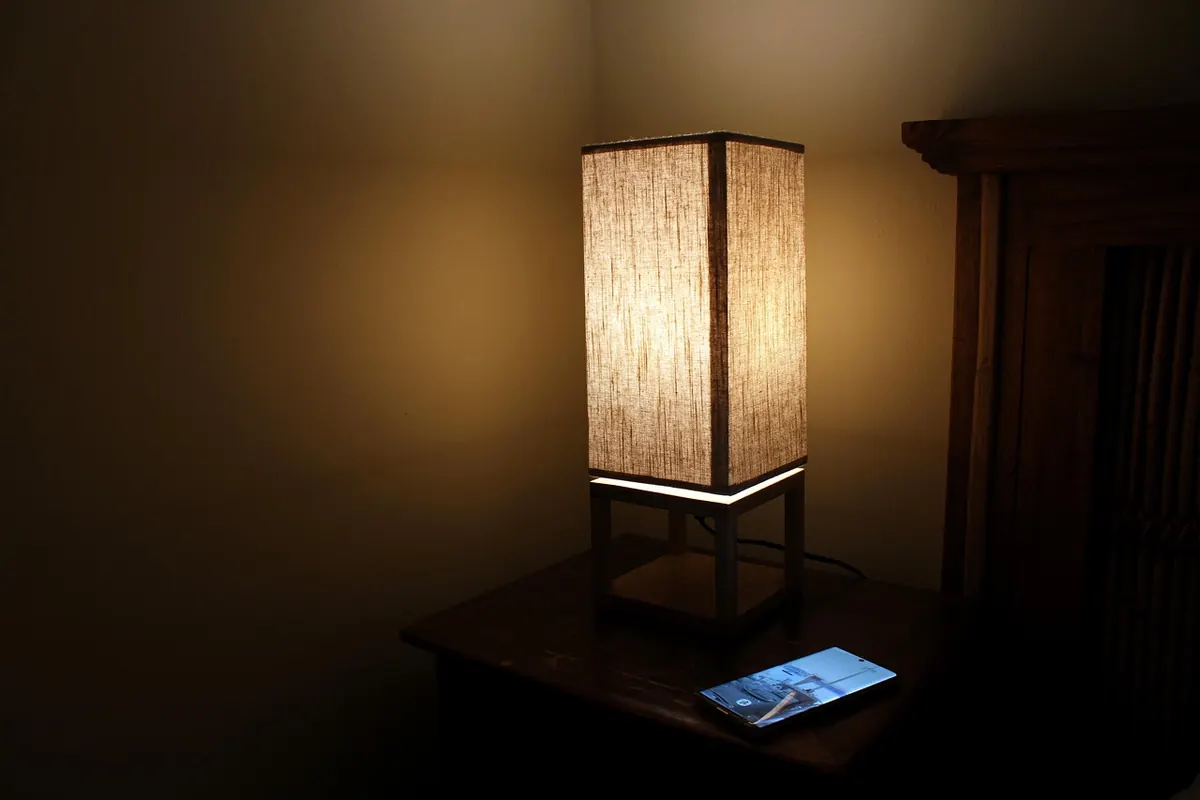
Photo: Mengyqer / Pixabay
Common Yoga Mistakes Beginners Make (and How to Avoid Injury)
New to yoga? Learn the alignment, breath and prop habits that prevent injury, plus how to rest well and...

Yoga for Lower Back Pain: 8 Gentle Poses for Desk Workers
A beginner-friendly yoga sequence for desk-related lower back tension, with eight gentle poses, practical...
About Us